A well-built Brazilian food aisle pays for itself quickly and turns the store into a neighbourhood reference. A guessed range, on the other hand, ties up cash and frustrates the retailer. The difference almost never comes from the catalogue. It comes from the mix, the layout and the restocking rhythm. Here is a method that works in stores of very different sizes.
Start from the space, not the wish list
Measure before you choose. One linear metre holds far fewer items than it seems once the cases arrive.
A practical benchmark helps: one linear metre with four shelves displays 25 to 40 SKUs clearly. Beyond that, shoppers stop seeing individual products and the section looks cluttered.
So let the space set the item count, then decide which products earn a place.
The entry mix that works almost anywhere
For a first section, split the range into five blocks of similar weight:
- Bakery and frozen — cheese bread in two sizes, plus assorted savoury snacks.
- Dairy — cream cheese spread, condensed milk and chocolate drink powder.
- Sweets — dulce de leche, guava paste and peanut candy.
- Drinks — guaraná soda, coffee and yerba mate.
- Groceries and seasonings — cassava flour, tapioca, beans, stocks and pepper sauces.
That layout covers a full weekly shop. In other words, the customer solves the whole menu without visiting another store.
Group the Brazilian food aisle by occasion, not by supplier
Shoppers do not think in industrial categories. They think in breakfast, Sunday lunch, snack and party.
Therefore group products by moment of consumption. Coffee, cheese bread and cream cheese belong together; beans, cassava flour, sausage and seasonings form another block. Each purchase then pulls the next one along.
This simple change lifts basket size without adding a single new item.
Give the section a visual identity
A Brazilian food aisle should be recognisable from a distance. A header strip, category signage and a continuous block of colour do the job.
Avoid scattering the items across the store. Brazilian shoppers look for the section, and local shoppers discover it. Both win when it sits in one place.
Point-of-sale material also helps explain less obvious products, such as tapioca, palm oil and fruit pulps.
Restocking rhythm decides everything
Out-of-stocks kill a Brazilian section faster than high prices. When a shopper misses the same item twice, she switches store and takes the whole basket with her.
A simple routine solves it. Track weekly sales per SKU, set a minimum stock level, and reorder before hitting that floor. After that, adjust volumes for seasonality.
Brazilian dates deserve special attention, because June and December reshape the sales curve completely.
What usually goes wrong in a Brazilian food aisle
A few patterns show up in sections that never take off:
- Buying many speciality items and too few proven movers.
- Placing frozen goods far from the section, with no signage linking them.
- Accepting short shelf life in exchange for a discount.
- Restocking only after a product runs out.
- Blending Brazilian lines into a generic international shelf.
Each of these is cheap to correct. Together, though, they sink the whole section.
How to evolve the range after a few months
By month two or three the data starts talking. Sort the SKUs into three groups: above expectation, average and stuck.
Then give more space to the first group, keep the second and replace the third with new arrivals. This steady rotation keeps the section alive and prevents dead stock.
Once volume justifies it, discuss territorial exclusivity to protect the work. Our guide on becoming an exclusive distributor of Brazilian food covers the terms.
Pricing the aisle without losing shoppers
Price decides whether a Brazilian food aisle rotates or turns into dead stock. The classic mistake is applying one single margin to every item. In practice, categories behave very differently.
- Reference items (coffee, cheese bread, soft drinks): lower margin, because shoppers know the price and compare it.
- Add-on items (seasonings, farofa, sweets): higher margin, since they enter the basket without comparison.
- Discovery items (new launches, seasonal editions): high margin and small volume.
In addition, use reference items as a communication anchor. When Brazilian coffee is fairly priced, shoppers trust the whole store.
Rotation, stockouts and replenishment
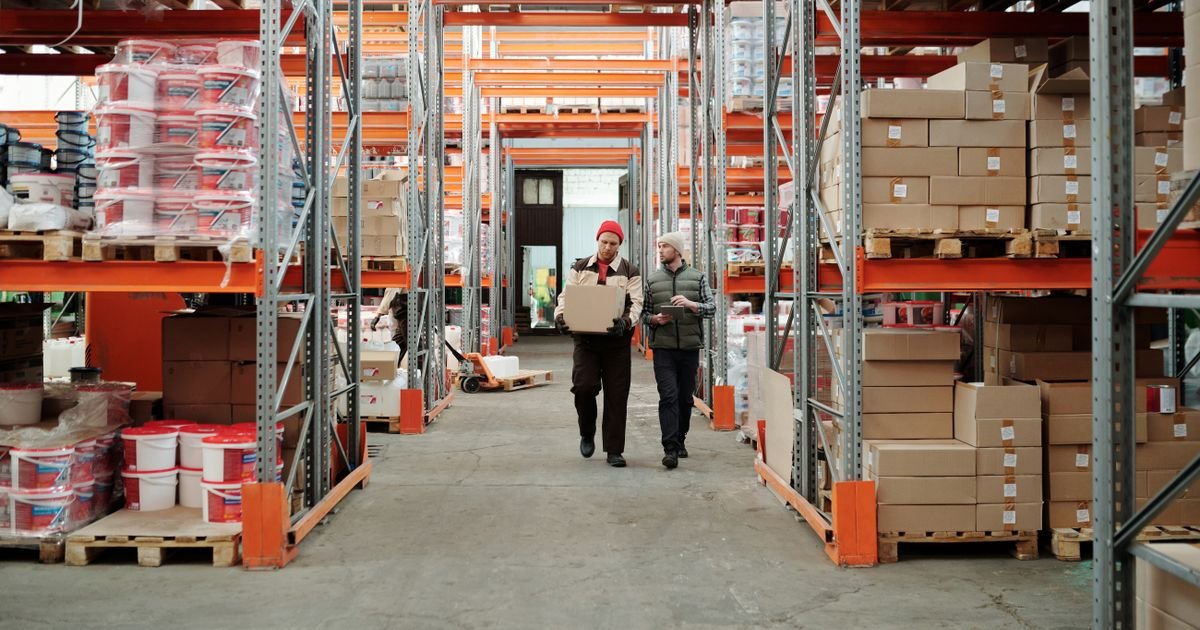
After pricing comes replenishment discipline. Track three numbers per SKU: units sold per week, days of stock remaining and stockout frequency. As a result, the next purchase order almost builds itself.
Stockouts quietly destroy loyalty. A shopper who fails to find the brand twice in a row simply stops looking for it. Therefore, keep safety stock on your best sellers and accept gaps on test items.
Finally, review the planogram every quarter. Products that did not move in ninety days give up their space. This constant rotation keeps the aisle alive and gives shoppers a reason to come back.
In-store communication
A well-signed Brazilian food aisle sells on its own. Therefore, invest in three inexpensive resources. First, a top sign identifying the section, ideally bilingual. Then, small cards explaining the less familiar items. Finally, usage suggestions such as "serve with warm bread" or "perfect for breakfast".
In addition, monthly tastings speed up discovery. A shopper who tries warm cheese bread or dulce de leche usually returns the following week. Plan these activations with your exporter, because many suppliers share the cost of promotional material.
Build your Brazilian food aisle with a single supplier
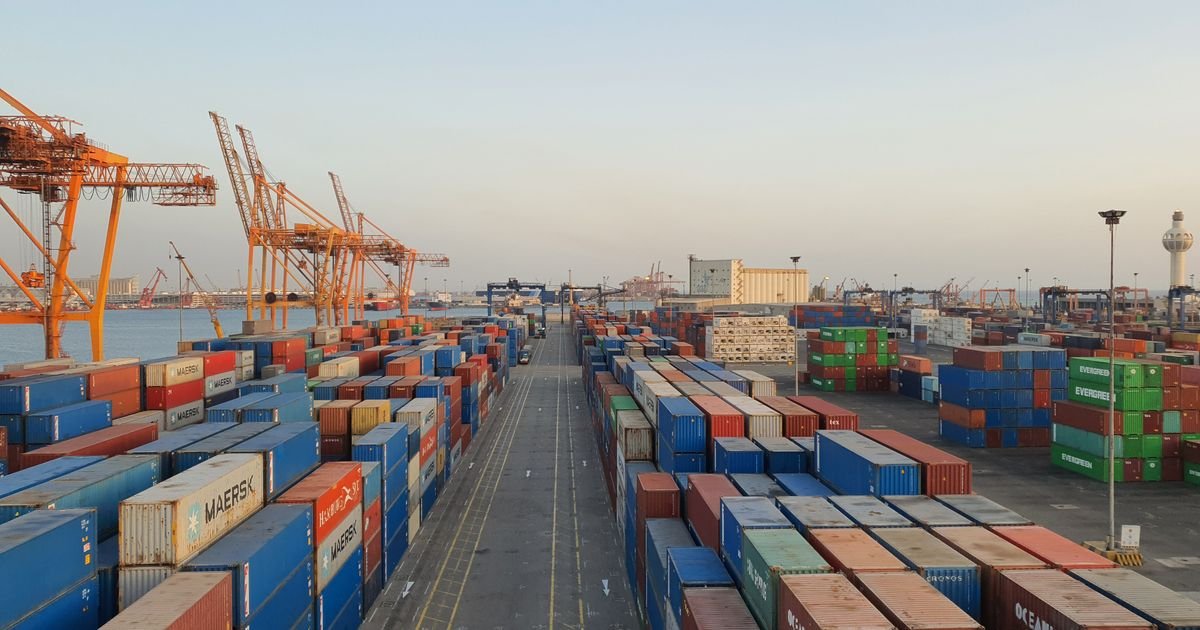
Buying from ten different factories complicates shipping and raises freight costs. For that reason, we consolidate everything into one container. We work with export-approved factories and follow the consumption trends published by ApexBrasil.
As a result, your Brazilian food aisle arrives complete: dry goods, frozen items, drinks and sweets in the same order. Explore the catalogue with 24 lines, read how the import process works and then request your quote. We start small, measure rotation and grow together with your store.
Frequently asked questions
How many items do I need to start?
Between 25 and 40 SKUs suit a first section of one linear metre with four shelves.
Should frozen lines come in from day one?
Yes, provided the store has dedicated freezer space and signage connecting both areas.
How do I choose between similar brands?
Pick the one shoppers recognise instantly. With nostalgic products, brand memory beats specification.