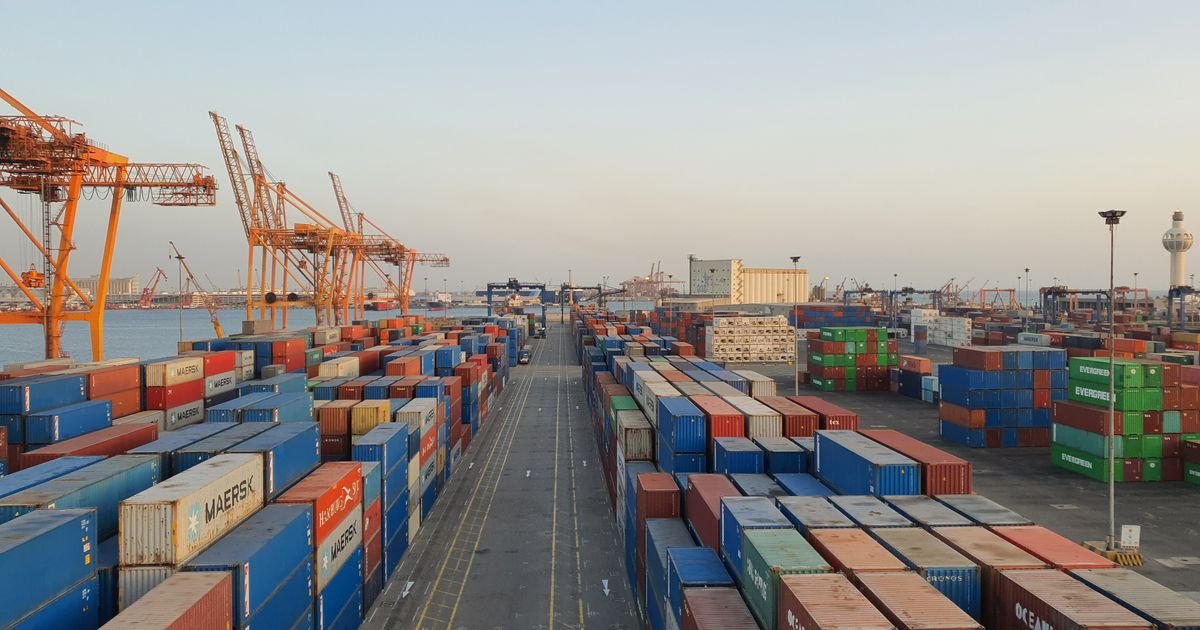
Food labelling for export is the detail that detains the most cargo at customs. The product can be perfect and the documents in order, and the container still stops because the packaging does not meet the destination's rules. Every market sets language, nutrition format and allergen declaration its own way. Therefore, it pays to get the label right before production, not afterwards.
Why the label stops so much cargo
Label enforcement is simple, fast and objective. The inspector needs no laboratory: he reads the packaging and compares it with the rule.
In other words, it is the easiest control point to apply and the hardest to get around later. Relabelling a whole container at destination costs a lot, delays delivery and can even be prohibited in some countries.
For that reason, experienced suppliers treat the label artwork as part of the order, not as a graphic detail.
The basics of food labelling for export in any destination
A few elements appear in practically every piece of legislation:
- Sales name, in other words what the product actually is.
- Full ingredient list, in descending order.
- Allergen declaration, clearly highlighted.
- Net content in the unit the country accepts.
- Batch code and best-before date in a legible format.
- Identification of the manufacturer and the responsible importer.
- Country of origin.
- Nutrition information in the required format.
The list looks universal. However, the format of each item changes a great deal from one market to the next.
United States: Nutrition Facts and the importer's name
The American market requires an English label, with the Nutrition Facts panel in the format set by the FDA. Units follow the imperial system, although metric values may appear alongside.
In addition, the country works with a specific list of major allergens, which has included sesame since 2023. The name and address of the responsible party in the United States must appear on the pack.
One practical detail: serving sizes in the United States follow official reference amounts. So translating the Brazilian table is not enough; it has to be recalculated.
European Union: local language and highlighted allergens
In Europe, the label must be in the language of the country where the product will be sold. Selling in Portugal and in France, therefore, calls for two versions.
The nutrition table follows the European format, with values per 100 g or 100 ml. Allergens appear highlighted inside the ingredient list itself, normally in bold.
Some countries also ask for specific health identification marks on products of animal origin. It is worth confirming case by case.
Other important destinations
Every market brings its own quirk. In Japan, the label requires Japanese and follows its own additive rules. In the United Kingdom, the rules keep a European base with local adjustments after Brexit. In Canada, most products need a bilingual label, in English and French.
In several Latin American countries, meanwhile, front-of-pack warning labelling has become compulsory for products high in sugar, sodium or fat. In other words, the same item may need seals that do not exist in Brazil.
Common mistakes in food labelling for export
A few slips show up often:
- Translating the Brazilian nutrition table instead of recalculating it to the local standard.
- Forgetting the address of the responsible importer in the destination country.
- Using the Brazilian date format where another standard is expected.
- Omitting allergens that Brazil does not require you to highlight.
- Applying a sticker that covers mandatory information.
None of them comes from bad faith. All of them, however, cost time and money.
How to organise food labelling for export with your supplier
The flow that works well has four stages. First, you state the destination country and the sales channel. Next, the exporter prepares the adapted artwork and sends it for approval. Then your customs broker or local consultant validates the file. Finally, the factory produces with the correct label already in place.
That cycle usually takes one to three weeks the first time. On later orders it practically disappears, since the artwork is already approved.
Want to see how the label fits into the full schedule? Read the guide on how to import food from Brazil and the article on food export certifications.
Labelling errors that stop cargo at customs
Most detentions have nothing to do with the food itself. They start with a graphic detail. So knowing the most common errors in food labelling for export prevents losses before shipment.
- Hidden allergens: the list exists, but without the visual emphasis the destination country demands.
- Weight in the wrong unit: grams where the market expects ounces, or no dual declaration at all.
- Nutrition table off the local standard: serving size, rounding and mandatory nutrients change from country to country.
- Claim not permitted: terms such as "natural", "detox" or "boosts immunity" are usually regulated.
- Importer missing: no name, address or contact for whoever answers for the product at destination.
- Batch and date illegible: faded printing or an ambiguous date format.
Checklist before you send artwork to print
Before approving the final artwork, review six points with the exporter. First, confirm the mandatory language. Then validate the nutrition table in the country's format. Next, check the allergens and how they are highlighted. After that, verify net weight, batch and best-before date. In addition, review the importer block. Finally, file the approved version with a date and a signature.
The care looks bureaucratic, but it is cheap. Reprinting ten thousand packs costs far more than one unhurried review. Beyond the cost, there is the time: detained cargo can sit in port for weeks, and frozen product does not wait.
Full support with food labelling for export
Reviewing a label demands a technical eye and regulatory repertoire. For that reason, Brazil House Export checks the artwork before production and compares every item with the Brazilian rules set by ANVISA and with the destination country's requirements.
Then we adapt language, nutrition table and allergen emphasis together with the factory. Explore the catalogue, see also which certifications you need and talk to us. Sound food labelling for export avoids detention at customs and protects the importer's margin.
Frequently asked questions
Can I use a sticker instead of reprinting?
In some countries yes, provided the sticker is permanent and does not cover mandatory information. Confirm with the local authority first.
Can the label be bilingual?
It can, and often that helps. The destination's official language, however, must be present and legible.
Who answers for an irregular label?
Normally the importer, who is listed as responsible in the local market. That is why the artwork should be approved before production.