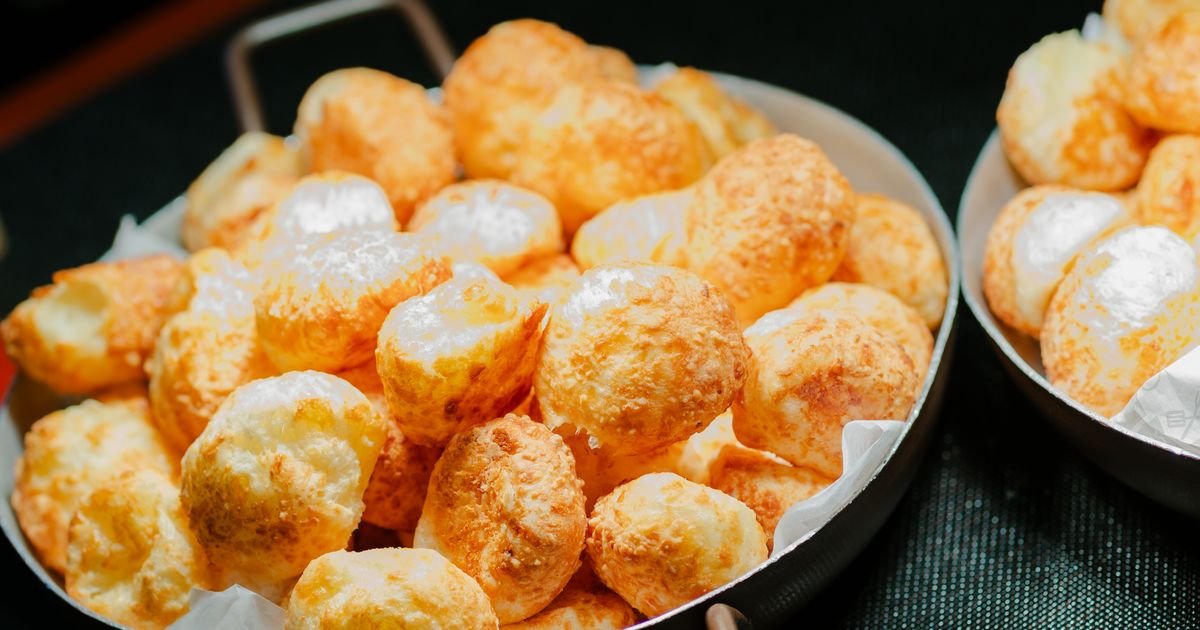
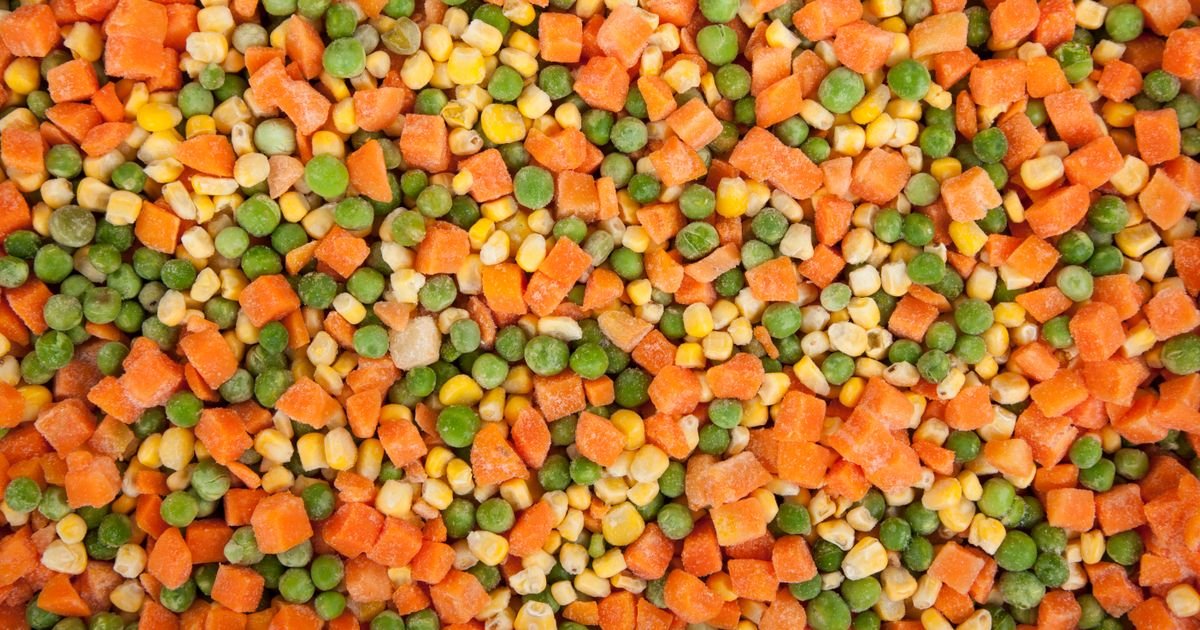
Exporting Brazilian frozen food gives you access to the highest-margin products in the catalogue and, at the same time, to the operation that forgives least. Pão de queijo (Brazilian cheese bread), savoury snacks, fruit pulps and meats account for a large share of a mature distributor's revenue. However, a single temperature failure can compromise the entire container. This guide shows where the cold chain usually breaks and how to protect each link.
The rule for exporting Brazilian frozen food: -18 °C with no swings
The international standard for frozen food is -18 °C or lower, from the end of production to consumption. The number itself is easy to remember. Keeping it stable is the hard part.
Repeated swings make the water inside recrystallise. As a result, texture changes, the product performs worse in preparation and shelf life shortens, even when the packaging looks intact.
In other words, the enemy is not only heat. It is variation.
Link 1: leaving the factory
Everything starts in the freezing tunnel and the holding chamber. The product has to reach the target temperature before it is palletised, and not during transport.
Ask the supplier for the chamber's temperature log and the loading time. In addition, confirm that the truck to the port is refrigerated and that loading happens without a long wait in the yard.
Link 2: the reefer container
The refrigerated container is the heart of the operation. Three precautions make a real difference:
- Pre-cooling before loading, so the product does not go into a warm box.
- Correct palletising, which preserves air circulation between the rows.
- An active temperature logger throughout the voyage, with the report available on arrival.
That report is worth gold. Without it, any discussion about damage comes down to one word against another.
Link 3: the voyage and the stops
Ocean transit is rarely the problem, because the reefer runs continuously and under monitoring. The risk lives in the transfers.
Therefore, prefer routes with fewer transshipments, even when they cost a little more. Each change of vessel means hours unplugged and one more chance of failure.
Link 4: the destination port
This is where most operations lose money. The container arrives, waits for clearance and depends on a power socket to keep cooling.
The connection is charged by period, and the cost climbs quickly. In addition, slow clearance increases the exposure to failure. For that reason, paperwork ready before arrival is not merely bureaucracy: it is money saved directly.
It is worth reviewing the full list in our article on food export certifications.
Link 5: storage and the last mile
After the port, the cargo needs refrigerated transport to your cold store. Next comes delivery to the shops, usually in smaller vehicles.
The last mile tends to be the most fragile link, since it involves frequent door openings. Simple planning solves it: short routes, deliveries grouped by area and insulated boxes for the final leg.
A checklist for exporting Brazilian frozen food without surprises
Before you authorise the first refrigerated container, confirm every item:
- Cold storage available at destination, with capacity for the full volume.
- Refrigerated transport booked from the port to the warehouse.
- A temperature logger agreed with the exporter.
- Insurance covering damage from temperature variation.
- A customs broker with the paperwork ready before the vessel berths.
- A plan B for storage, in case clearance is delayed.
Anyone who answers yes to all of them ships with confidence. Anyone who answers no to two or more should start with dry goods instead.
When exporting Brazilian frozen food is worth it
The answer is commercial, not technical. Frozen lines deliver higher margin and meet less competition, because few importers have the structure for them.
On the other hand, they demand investment in cold storage and operational discipline. So the right moment is usually the second or third shipment, when the operation already has predictability and cash.
One common strategy works well: start with dry goods, build the customer base and add frozen as soon as volume justifies the cold store. Talk to us to design that two-stage plan.
Temperature monitoring in practice
Controlling temperature is the heart of exporting Brazilian frozen food. The good news is that the technology has become affordable. Today, a simple logger inside the container already creates the documentary proof the importer needs.
- Disposable data logger: cheap, records the whole voyage and is read on arrival.
- Logger with remote reading: it sends real-time alerts and lets you act before the damage is done.
- Reefer report: the refrigerated container itself records the history, which the carrier supplies on request.
- Loading and unloading records: photos and times at the port, because the greater risk sits in the transitions.
Agree in advance who pays for the equipment and who keeps the data. In addition, define the acceptable range in writing, normally -18 °C or lower for frozen goods.
What to do when the temperature leaves the range
First, do not unload the cargo without a record. Then photograph the container display, the seal and the product. Next, notify the exporter and the insurer the same day, because almost every policy requires immediate notice.
Then ask for a technical assessment before deciding. Not every brief swing compromises the food. A few minutes of variation during unloading is very different from twelve hours with the compressor off. Finally, keep everything: without documentation, the claim is simply not accepted.
A partnership for exporting Brazilian frozen food safely
Cold chain is discipline, not luck. Brazil House Export selects factories with their own cold storage, supervises loading and requires a temperature log for the whole journey. In addition, we verify each plant's sanitary approval with the Ministry of Agriculture.
This way, the importer receives the product in the right condition and with documentary proof. See the frozen range in the catalogue, look at the pão de queijo case as well and then talk to our team. Exporting Brazilian frozen food with that level of control reduces claims and protects your margin.
Frequently asked questions
Can I mix dry and frozen goods in the same container?
Technically it is possible in a reefer, however the practice requires care with stacking and does not always pay off.
How long does a reefer hold without power?
A few hours, depending on the load and the outside temperature. That is why continuous monitoring is essential.
What should I do if the log shows a swing?
Document everything on arrival, notify the insurer and do not distribute the batch before the technical assessment.