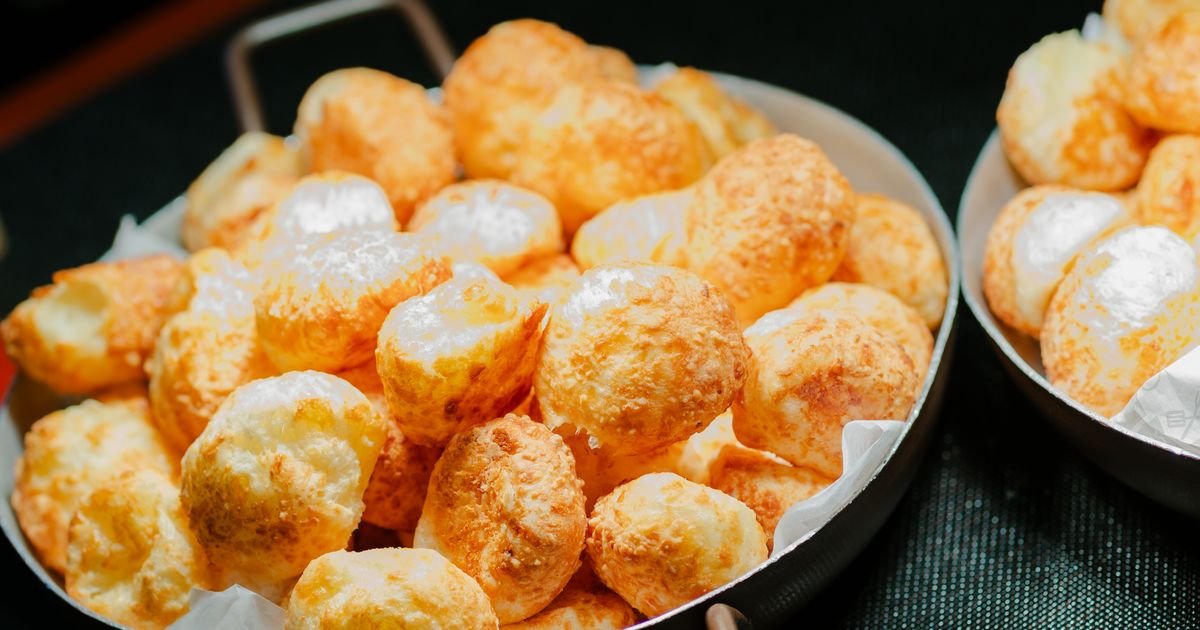
Frozen pão de queijo for export sits at the top of almost every turnover list in the Brazilian nostalgia market. Pão de queijo, or Brazilian cheese bread, sells in retail, in bakeries and in restaurants at the same time, which few products manage. In addition, it crosses over beyond the Brazilian community with ease. This article explains the commercial reason behind that and how to work the product without tripping over the logistics.
Why pão de queijo sells so well outside Brazil
Three factors explain the performance. First, the product has no convincing local substitute. A shopper who wants pão de queijo will not accept anything else in its place.
Second, consumption is frequent. Breakfast, the afternoon snack and a visitor at the door all come out of the same bag, and the bag empties fast.
Third, preparation is simple. An oven and a few minutes are enough, with no technique and no extra ingredient. As a result, the product works just as well in a home kitchen as in a restaurant one.
The three channels the product serves
Few items in the Brazilian catalogue work on three fronts at once:
- Retail — consumer packs, usually 400 g to 1 kg, in the frozen aisle.
- Bakery and coffee shop — large packs, baked on site and sold by the piece.
- Food service — hotels, buffets and restaurants serving it at breakfast.
Therefore the same container can supply very different customers. That reduces risk and speeds up stock turn.
Formats of frozen pão de queijo for export by channel
Piece size changes the positioning. The cocktail size, with small pieces, suits events and buffets. The traditional size, a medium piece, covers home consumption. The snack size, larger and filled, becomes a high-margin counter product.
A common mistake on a first order is taking only one format. However, each channel wants its own, and a store with a single format loses sales to the shop next door.
What to look for on the spec sheet
Not every pão de queijo behaves the same after months in the freezer. A few points deserve attention before you place the order:
- Cheese percentage — it defines flavour and aroma in the oven, and it is what shoppers compare.
- Type of polvilho — the blend of sour and sweet cassava starch changes texture and crispness.
- Oven yield — how much the piece rises, which matters a great deal in food service.
- Frozen shelf life — usually between 9 and 12 months, and it has to fit your cycle.
Ask for a baked sample before the first container. Ten minutes of testing prevents stock that is hard to sell.
Cold chain: the point that allows no improvising
The product has to leave at -18 °C and arrive at the same temperature. Any partial thawing along the way creates ice crystals, and the piece loses its rise in the oven.
Shoppers notice immediately. They do not complain to the manufacturer; they simply never buy again. Therefore a reefer container with a temperature log stops being a detail and becomes a requirement.
We set out every precaution in our guide on exporting Brazilian frozen food.
How to price it without destroying margin
Pão de queijo tends to be the most compared item between stores, precisely because everyone carries it. Even so, a price war rarely pays off here.
A better approach uses the product as a traffic anchor and builds margin across the rest of the basket. The shopper comes in for the brand she recognises and leaves with requeijão (creamy cheese spread), coffee and doce de leite as well.
In addition, the food service format allows a margin well above retail. In other words, the same line can hold two different positions in the same market.
Frozen pão de queijo for export beyond the Brazilian community
This is the argument many distributors discover late. The product is naturally gluten free, which opens space in a category growing all over the world.
In local cafés and bakeries it arrives as a counter novelty and wins over shoppers who have never heard of Brazil. For that reason, it is worth reserving part of the sales effort for outside the Brazilian community.
The route usually starts with independent coffee shops, which test a new item far more readily than large chains do.
How to include frozen pão de queijo for export in your first shipment
Reserve between 10% and 15% of the container for pão de queijo, spread across two or three formats. Next, follow the weekly replenishment per store during the first month.
If the turn confirms the expectation, raise the share on the second order and use the product to open doors at new accounts. See the full catalogue to build the rest of the mix.
Bake in store or sell it frozen?
Both models work, and many retailers use both. The choice depends on the store's setup and its customers. Anyone working with frozen pão de queijo for export should understand the difference before settling the mix.
- Sold frozen in packs: it needs only a freezer, offers long shelf life and generates a bigger basket per visit.
- Baked in store: it needs an oven and labour, but the aroma drives impulse sales and the margin per unit is higher.
In practice, baking works as a shop window. The customer tries it warm, likes it and takes a frozen pack home. As a result, stores that bake a few batches a day usually sell more packs than those that only stock the freezer.
Formats and applications by channel
The size of the ball changes the sales channel. The mini, at around 10 grams, suits coffee shops and buffets. The traditional, at 20 to 25 grams, dominates home retail. Meanwhile, the filled versions keep gaining space in food service and convenience stores.
In addition, there is a raw frozen dough format for chains that bake on site. That model lowers the cost per unit, however it requires training and oven control. Therefore, assess the store's operation before you choose.
Where to buy frozen pão de queijo for export
The choice of factory changes the result on the shelf. Brazil House Export works with producers in Minas Gerais approved for export by the Ministry of Agriculture, with control over weight, rise and oven yield.
We offer mini, traditional and filled, in retail and food service packs. See the options in the catalogue, learn how the cold chain works and then request samples. A well-chosen frozen pão de queijo for export usually becomes the fastest-moving item in the Brazilian section.
Frequently asked questions
What is the shelf life of the frozen product?
Generally 9 to 12 months at -18 °C, depending on the formulation and the packaging.
Can it be baked straight from the freezer?
Yes, and that is the recommended way. Thawing it first harms the rise of the piece.
Is there a version that avoids the cold chain?
There are ready-to-bake mixes and ready-to-eat versions, however the frozen product delivers the experience closest to the original.