The best-selling Brazilian food products abroad are not necessarily the most famous ones inside Brazil. They are the items that combine frequent consumption, a weak local substitute and instant recognition. This ranking gathers the ten lines that turn fastest on the shelves served by the nostalgia market, with the commercial reason behind each one. As a result, it becomes easier to build a first order with a real chance of moving.
How we built this ranking of best-selling Brazilian food products abroad
Three criteria guided the list: repurchase frequency, ease of export and the strength of the brand in the shopper's memory. A product can be delicious and still sell poorly overseas if it needs explaining or complex refrigeration.
For that reason, the ranking favours items that land in the trolley every week. They sustain cash flow and fund experiments with niche lines.
1. Frozen pão de queijo
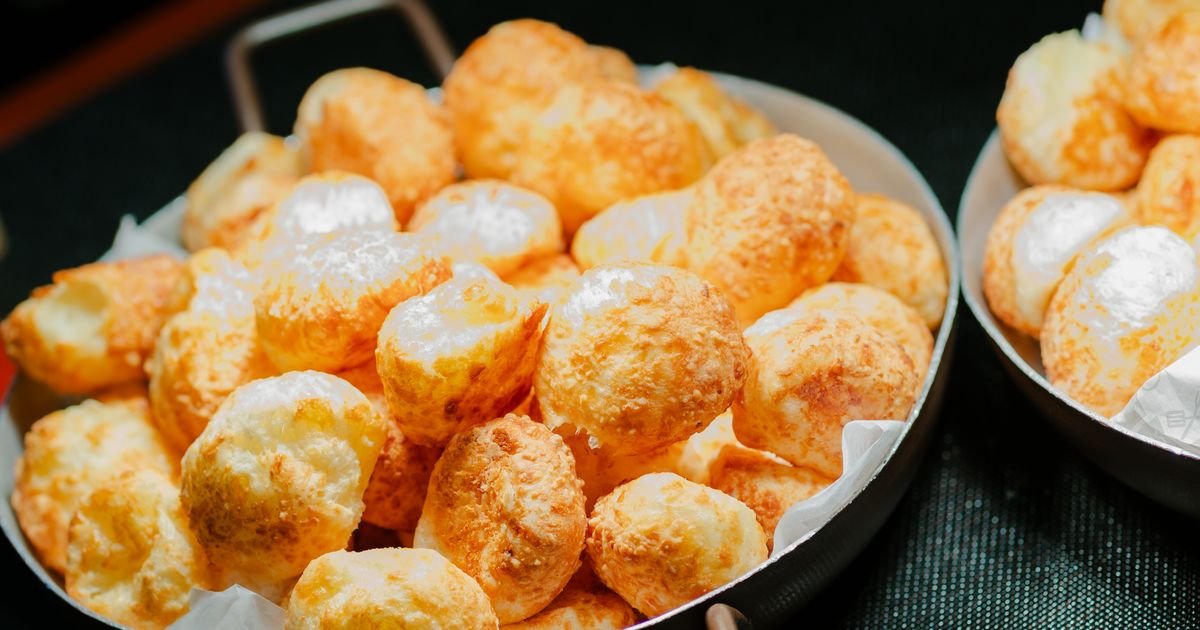
The outright champion in practically every market. Pão de queijo (Brazilian cheese bread) crosses generations, pleases local shoppers and has no convincing substitute outside Brazil.
In addition, the product works in three channels at once: retail, bakery and food service. That is why we devote a whole guide to frozen pão de queijo for export.
2. Roasted and ground coffee
Coffee is a daily habit, and a daily habit means predictable repurchase. Brazilian shoppers recognise the roast profile they grew up with and rarely swap it for a local brand.
Logistically, coffee is almost ideal: dry, light, long-dated and easy to stack. In other words, it improves container efficiency and still carries margin.
3. Guaraná and Brazilian soft drinks
Drinks mean volume. Guaraná (Brazilian berry soda) carries an identity no local soft drink replaces, and it shows up at every party, barbecue and family lunch.
However, calculate the weight carefully when building the load. Liquids take space and weigh heavily; therefore, they work best alongside light items in the same container.
4. Doce de leite and condensed milk
These two items hold up the entire Brazilian pastry trade overseas. Bakeries, freelance cake makers and restaurants buy at a constant rhythm.
Beyond direct consumption, they work as an ingredient. A food service customer who adopts the brand keeps ordering for months, which gives a predictability that retail rarely offers.
5. Requeijão
Requeijão (creamy cheese spread) is the sort of product shoppers only miss once they try living without it. No direct equivalent exists in the American or European market.
For that reason, it usually sits at the top of order lists in Brazilian shops, right behind pão de queijo.
6. Açaí and fruit pulps
Here is the item that crosses the audience border most easily. Açaí (Amazonian berry) left the niche and became a local staple in gyms, cafés and bowl chains.
Mango, passion fruit, acerola and cupuaçu pulps follow the same move. They demand a cold chain, yet they deliver high margin and rising turn.
7. Seasonings, stocks and farofa
This category has a low ticket and extremely high repurchase. Nobody cooks Brazilian food without Brazilian seasoning, and the pack empties fast.
In addition, seasonings take little space and keep for a long time. Therefore, they work very well to fill the gaps when the load is built.
8. Biscuits, crisps and pocket sweets
Paçoca, tapioca-starch biscuits, wine gums and crisps solve the impulse purchase. They sit by the till, cost little and lift the average basket.
These items rarely look like a priority in a first order; nevertheless, they usually surprise on turn.
9. Savoury snacks and ready frozen dishes
Coxinha, kibe, esfiha, empada and ready feijoada serve people who want the taste of home without cooking. Demand grows alongside the shopper's tighter routine.
These products require a reliable cold chain. When that exists, however, they deliver some of the best margins in the catalogue.
10. Linguiça, dried beef and smoked meats
They close the list of best-selling Brazilian food products abroad, above all in markets with a large community. Barbecue and feijoada depend on them.
Pay extra attention to sanitary approval here, since products of animal origin face the strictest rules in any destination.
How to use the best-selling Brazilian food products abroad in a first order
Do not try to buy all ten categories at once. A better approach splits the order into three layers.
- Layer 1 — anchors: pão de queijo, coffee, requeijão and doce de leite. They guarantee flow.
- Layer 2 — volume: drinks and seasonings, which sustain the weekly repurchase.
- Layer 3 — test: ready frozen dishes, snacks and pulps, in small quantity.
After the first cycle, the numbers tell you what to push. Explore our full catalogue with 24 lines to build your test layer.
How to build the first mixed order
The first shipment does not have to be big, but it does have to be smart. In practice, the best result comes from a mixed container, with a few high-turn items and some controlled tests. This way, the importer finds out which best-selling Brazilian food products abroad actually work with his own audience.
- 60% of the volume: proven champions, such as coffee, pão de queijo, fruit pulp and biscuits.
- 25% of the volume: supporting items that complete the meal, such as farofa, seasoning, doce de leite and requeijão.
- 15% of the volume: novelties to test, in small quantity and with long shelf life.
After the first selling cycle, measure turn per SKU. Items that did not move in ninety days drop out of the next order. The ones that sold out early, by contrast, gain space. This simple discipline keeps cash off the shelf.
One logistical detail is worth remembering. Frozen and dry goods usually travel separately, because they need different temperatures. Therefore, if the mix includes both groups, plan two shipments or a reefer container with compatible cargo.
Where to find the best-selling Brazilian food products abroad
Knowing which items turn is half the way. The other half is having a single supplier for all of them. Brazil House Export brings together 24 lines across eight categories, all from factories approved for export by the Ministry of Agriculture.
This way, you build the mixed container with one contract and one shipment. Explore the full catalogue, see what a container costs and then request a quote. We work with exclusivity per country, so the best-selling Brazilian food products abroad can be yours with territorial protection.
Frequently asked questions
How many items should I take in the first shipment?
Between 15 and 25 SKUs is usually ideal. That number lets you test categories without tying up too much cash.
Are frozen lines worth it from day one?
Only if you already have cold storage and refrigerated transport. Otherwise, start with dry goods and add frozen in the second order.
Do these products sell to local shoppers?
Yes, especially açaí, pão de queijo and coffee. They leave the niche more easily than the rest of the catalogue.